

The One Question Worth Asking When Choosing Your Baby’s Food!
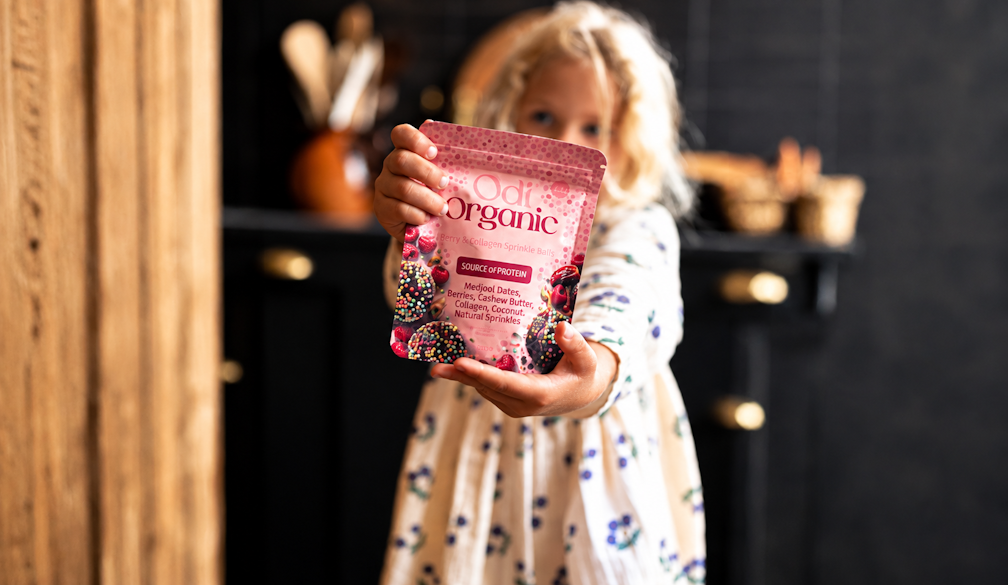
Clinical nutritionist, former nurse and mum of four Gina Urlich says even a menu filled with wholesome ingredients can fall short of a baby’s nutritional needs.
“Parents can be offering beautiful, wholesome foods, choosing organic products and giving their baby plenty to eat, but that doesn’t necessarily mean they’re getting enough iron,” she says.
It is a surprising challenge when you consider how much babies need. Australian nutrient reference values recommend 11mg of iron daily for babies aged seven to 12 months, compared with 8mg for adult men. Meeting that requirement through the small portions babies can manage makes the nutritional content of each meal particularly important.
Research from the Australian Feeding Infants and Toddlers Study, known as OzFITS, found approximately three in four babies aged six to 12 months had inadequate iron intakes. Around one in four children aged 12 to 24 months also fell short.
Those findings do not mean three in four babies were clinically iron deficient. The study assessed dietary intake against nutrient reference values, rather than diagnosing deficiency. Nevertheless, the results highlight a nutrient that deserves attention during a period of rapid growth and development.
For Urlich, the challenge is helping parents look beyond the reassuring language on food packaging.
“There’s understandably been a huge focus on sugar and processed foods, and parents are constantly being told to look for words like ‘natural’ and ‘organic’,” she says.
“But those things don’t tell you whether a food actually contains meaningful amounts of iron.”
That concern helped inspire Odi Nutrition, the baby and children’s nutrition brand she founded, which recently launched in Australia after establishing itself in New Zealand.
Urlich’s approach starts with children’s nutritional needs, then considers how to deliver nutrients including iron, protein, omega-3 and iodine in convenient formats. According to the brand, Odi’s baby purée pouches provide approximately 30 per cent of a baby’s recommended daily iron intake per serve.
Its Organic Chicken & Vegetable pouch combines organic chicken bone broth and vegetables with an organ blend and algal DHA omega-3. The wider Australian range includes powders, bars, bites and other children’s snacks.
But Urlich says the conversation should extend beyond any individual product. Nor should it become another source of pressure for parents already juggling busy days.
“Parents don’t need another person telling them they should be cooking everything from scratch,” she says.
“I’m a mum of four. I know what it’s like when you’re busy, tired and trying to get everyone out the door. Convenience isn’t the problem.
“The opportunity is to make convenient food work harder nutritionally.”
Her message is simple: turn the packet around. Alongside the claims on the front, consider what the food actually contributes to a growing child’s needs.


