

Swing Sets for Kids: How to Choose the Best Backyard Playset in Australia
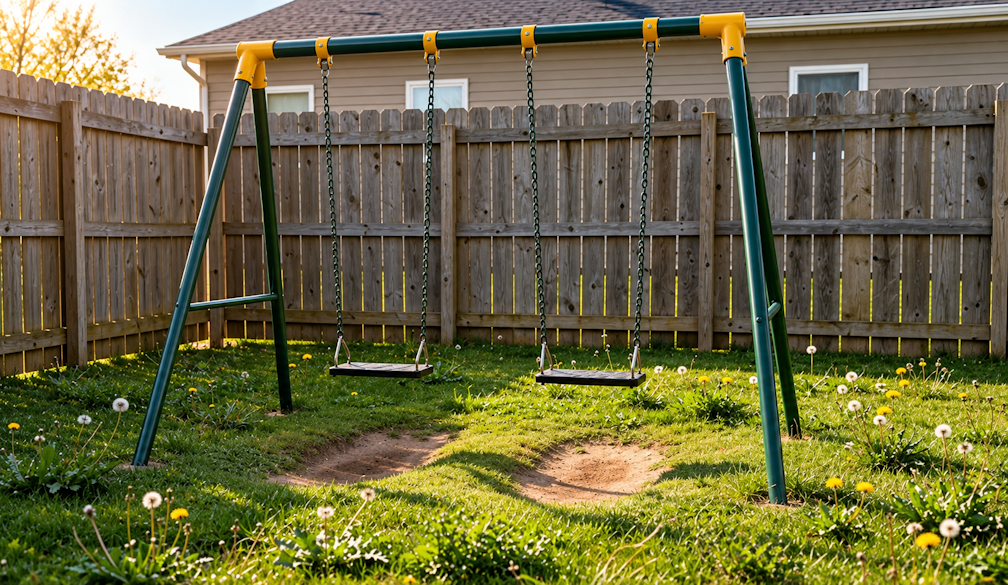
With so many options on the market, picking the right swing set for your backyard can feel overwhelming. This guide cuts through the noise and gives Australian families a clear, practical roadmap to choosing a swing set that's safe, durable and genuinely fun for years to come.
Key Takeaways
- Modern swing sets for kids range from compact metal A-frames to large timber play centres with slides, monkey bars and climbing walls.
- Safety comes first: Australian Safety Standards (AS 4685), correct ground surfacing, safe fall zones and age-appropriate designs are critical.
- Materials like powder-coated steel, treated timber and heavy-duty plastic each affect durability, maintenance and price differently in Australian weather.
- Standards like ASTM and Australian Safety Standards guide safe swing set design, so always look for certified safety measures when buying.
- There are many curated ranges of swing sets for kids and backyard play equipment available for delivery across Australia.
Why Swing Sets for Kids Are a Backyard Essential
Swing sets remain one of the most popular backyard toys for Australian families in 2026, and for good reason. In an era where screen time dominates, a quality swing set pulls children outdoors for active, imaginative play that builds balance, gross motor skills, spatial awareness and confidence. Research from the Australian Institute of Family Studies confirms that regular outdoor play yields measurable improvements in children's wellbeing, resilience and social development.
When siblings and friends share a playset, people naturally learn to take turns, cooperate and invent games together. Add Australia's mild winters and long summer evenings, and a backyard swing set becomes a high-value investment that delivers years of daily use. There are many options available to fit your family's needs.
Types of Swing Sets for Kids (and Which One Suits Your Space)
Choosing the right category of swing set is the first real decision. Here's how the main types compare:
- Metal A-frame swing sets - Compact footprint, usually two or three swing positions. A medium two-bay metal swing frame might include a standard seat swing and a monkey swing. Ideal for smaller suburban backyards or rentals. The VULY 360 Pro Max, for example, has two bays for swings and costs $980.00, giving families a sturdy steel starting point.
- Timber play centres - Combine swings with extras like a slide, climbing rock wall or fort. Best for families planning to stay put long-term. Multi-activity integration keeps kids engaged over the years as play interests evolve.
- Modular / expandable sets - Start with a basic frame and add a nest swing, monkey bar bay or climbing rope later. These grow with children from preschool through primary school.
- Baby / toddler frames - Low height, full-bucket seats with secure harnesses recommended for toddlers from about 12 months. Larger playsets with belt swings suit roughly 3–10 years.
Children's ages significantly influence swing set design and feature selection, so always check manufacturer age and weight ratings. In tight city courtyards, a single metal A-frame works well; on bigger regional blocks, a full timber centre with climbing frames makes the most of available space.
Safety, Standards and Installation for Kids' Swing Sets
This is the most important section. No amount of fun features matters if a swing set isn't safe.
- Standards compliance - Look for products designed to meet the AS 4685 playground equipment series and relevant ASTM guidelines. Certified safety measures are essential when choosing swing sets.
- Ground surfacing - Swing sets should include proper ground surfaces for safety. Loose-fill mulch, sand, rubber tiles or rubber matting absorb impact; concrete and pavers are never acceptable under or around swings.
- Fall zones - Leave roughly 2–3 metres of clear space in front of and behind each swing arc. No fences, clotheslines, garden beds or hard obstacles should sit within this zone.
- Anchoring - Use ground anchors for metal frames or concrete footings for timber posts. Anchoring and safety zones prevent lift or tipping during active play, which is especially important in windy Australian conditions.
- Age-appropriate features - Enclosed toddler swings with harnesses, lower deck heights, handrails, non-slip steps and features such as guardrails and barriers are necessary for elevated components. Age-appropriate features in swing sets enhance safety and enjoyment across age groups.
- Finger-safe hardware - Look for rubber-coated chains to prevent finger pinching injuries, a detail often overlooked in budget sets.
- Maintenance checks - Tighten bolts, inspect for rust on steel, check timber for splinters, and examine swing chains, ropes and seats for wear seasonally.
- Supervision rules - One child per swing, no standing on swings, no walking in front of moving swings. Consider shade sails and sun-safe clothing during peak UV hours.
How to Choose the Right Swing Set for Your Child and Backyard
Think of this as your pre-purchase checklist before adding to cart:
- Measure your space - Record length, width and overhead clearance. Compare against assembled dimensions including the full swing arc, not just the frame footprint.
- Match to age - A 1–3 year old needs a secure bucket seat; 3–6 year olds thrive with belt swings and a small slide; 6–10+ year olds want climbing frames, monkey bars and rope challenges. Swing sets should balance safety, structural durability, and fun features across these stages.
- Choose materials wisely - Weather-treated wood or powder-coated steel frames are preferred materials. Cedar or rot-resistant timber lasts around 10 years with maintenance, while quality powder-coated steel can push 15–20 years. Heavy-duty plastic suits very young children but degrades faster under UV.
- Set a budget - Simple single-swing metal frames start under a few hundred dollars. Multi-activity timber centres can exceed four figures. Price typically scales with material quality, feature count and warranty length.
- Plan assembly - Most sets require two adults and a few hours. Larger timber centres may justify a professional installer. Always confirm the finished set is level and anchored.
- Check warranty and support - Provides detailed product specifications, age guides and customer service to help with pre-purchase questions.
Complement your swing set with trampolines, ride-on toys or water play to build a complete backyard play zone.
Caring for Your Kids' Swing Set So It Lasts for Years
Regular care keeps swing sets safe, attractive and fun across multiple Australian summers.
- Seasonal checks - At the start of each school holiday period, inspect all fasteners, chains, ropes and seats. Regular maintenance includes inspecting hardware and lubricating moving parts like swing hangers and carabiners.
- Material-specific care - Wipe down powder-coated metal and touch up paint chips before rust takes hold. Sand rough timber spots and reseal every two to three years (annually near the coast). Clean plastic seats with mild soapy water.
- Weather protection - Position sets to reduce harsh afternoon sun. Consider shade sails. In storms or high winds, remove lightweight accessories like fabric canopies.
- Storage - Take off toddler bucket seats, rope ladders or fabric parts during prolonged wet weather to extend their life.
- Upgrade, don't replace - When children grow, swap a toddler swing for a belt swing or nest swing rather than buying a whole new frame.
FAQ: Swing Sets for Kids
What is the best age to introduce a swing set for kids?
Many toddlers can start with a secure bucket-style swing with harness from around 12 months, provided they sit upright unassisted and have constant adult supervision. Full-size backyard swing sets with standard belt swings are generally recommended from about three years onwards. Always follow each product's specific age and weight guidelines when choosing a swing set online.
How much space do I really need for a kids' swing set?
You need the frame footprint plus a safe clearance area - typically a few metres in front and behind the swings and at least 1.5 metres at each side. Measure your backyard and compare it with the detailed dimensions on the product page before ordering. Compact metal A-frame swing sets work well in smaller Australian backyards, while multi-feature timber play centres need considerably more room.
Can I assemble a swing set myself or do I need a professional?
Most home swing sets for kids are designed for DIY assembly by two adults with basic tools, following the manufacturer's step-by-step instructions. Larger timber play centres can take several hours and may justify hiring a professional installer, especially for anchoring and levelling. Always ensure the finished swing set is securely anchored and checked before children use it.
How long do backyard swing sets usually last?
With proper care, quality metal swing sets can last 15–20 years, while well-maintained timber sets typically last 10–15 years. Basic plastic-framed sets may only manage 3–4 years. Lifespan depends on materials, local climate (coastal salt air accelerates corrosion), and how diligently families maintain and store removable parts. Investing in a well-made swing set from a reputable retailer helps ensure better durability and access to spare parts.
Do I need council approval for a kids' swing set in my backyard?
In most Australian suburbs, standard domestic swing sets are considered portable play equipment and do not require council approval. If you're installing an unusually large or permanently fixed timber structure, check your local council guidelines and any estate or strata rules. It's also worth placing swing sets thoughtfully to minimise noise and maintain good neighbour relations.


